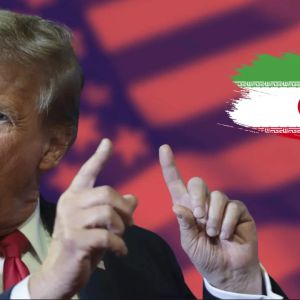
Saudi Arabia and Kuwait have lifted their bans on U.S. military use of their bases and airspace, removing the main obstacle to resuming Project Freedom, the American naval operation to escort commercial ships through the Strait of Hormuz. The reversal comes just days after both Gulf states blocked U.S. access to key military infrastructure. Saudi Arabia had denied use of Prince Sultan Airbase and overflight rights, with Kuwait imposing similar restrictions shortly after. U.S. equity markets then fell in response to reports President Trump was preparing to restart the operation. BREAKING: US equity markets fall on reports that President Trump is preparing to restart “Project Freedom” in the Strait of Hormuz. pic.twitter.com/4eHu6HjsVs — The Kobeissi Letter (@KobeissiLetter) May 7, 2026 What triggered the Project Freedom shutdown Project Freedom launched earlier this week as a U.S.-led effort to secure the Strait of Hormuz, the chokepoint that handles roughly 20% of global oil trade. The operation used naval destroyers, fighter jets, helicopters, and drones to escort commercial vessels through the waterway amid escalating tensions with Iran. The initial phase worked. Two U.S.-flagged ships were guided out of the Persian Gulf under military escort. However, the operation provoked a sharp Iranian response , including cruise missile and drone strikes on U.S. warships and non-U.S. commercial vessels. Iran also hit the United Arab Emirates’ oil export terminal at Fujairah with 15 missiles , the first such strike since a fragile U.S.-Iran ceasefire had taken hold last month. Saudi Arabia then pulled its support roughly 36 hours after the launch. NBC News reported that Saudi officials were “blindsided” by the operation. A tense phone call between President Trump and Saudi Crown Prince Mohammed bin Salman followed, with Riyadh citing unclear rules of engagement and the risk of Iranian retaliation against Saudi territory. Kuwait cut off airspace access shortly after, leaving the U.S. without “the defensive umbrella needed to protect ships transiting the strait.” Trump then paused the operation, framing the suspension as a diplomatic window to pursue a deal with Iran. He credited China and Pakistan for mediation efforts. What changed The specific terms that persuaded Saudi Arabia and Kuwait to reverse course have not been publicly detailed. Pentagon officials had indicated a possible restart as early as this week, with plans to guide commercial ships through a narrow, mine-cleared corridor under heavy U.S. military protection. Defense Secretary Pete Hegseth has described the U.S. presence as a “red, white and blue dome” over the strait. Gulf tensions run deeper than the shut strait The crisis has exposed fractures within the Gulf Cooperation Council. The UAE, frustrated by Saudi Arabia’s initial hesitation, has withdrawn from OPEC and is considering leaving the Arab League. Those moves signal disagreements among Gulf states over how to respond to Iranian aggression and U.S. military strategy in the region. A Chinese-owned oil tanker was struck near the Strait of Hormuz on Thursday, with the vessel’s deck catching fire. Crew casualties have not been confirmed. China, a major buyer of Iranian oil, had previously avoided direct hits in the conflict. Saudi Arabia has also moved to reduce its own exposure to Hormuz disruptions, securing a pipeline deal to route 50% of its oil exports through the Red Sea. The timeline for the Project Freedom restart remains unclear. Markets are pricing in renewed risk, with U.S. equities having dropped on the restart reports. Any sustained disruption to Hormuz shipping lanes is expected to ripple through global energy prices. The Iranian response to a second phase of Project Freedom will determine whether the operation stabilizes shipping and energy prices or further worsens the conflict. If you're reading this, you’re already ahead. Stay there with our newsletter .