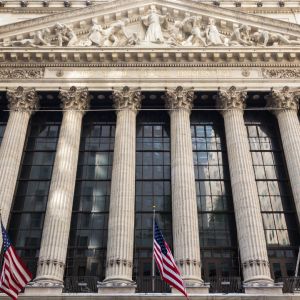
Intercontinental Exchange (ICE)’s NYSE is asking the SEC to approve a rule change that would let tokenized stocks and exchange-traded products trade on the exchange. The SEC notice says the agency is asking the public for comments. That means investors, brokers, issuers, and market companies can tell regulators what they think before this thing goes deeper into the system. NYSE lets eligible companies use DTC for token settlement inside the regular market The NYSE request would create Rule 7.50 for Tokenized Securities and change Rules 1.1, 7.36, 7.37, and 7.41. Those sections cover definitions, order display, order ranking, execution, routing, clearing, and settlement. The exchange says its current rulebook does not allow tokenized securities to trade there. So, eligible companies do not have a clear way to enter an order that settles in token form. The plan depends on a Depository Trust Company pilot tied to a December 11, 2025, SEC staff no-action letter. NYSE also says the proposal follows a similar path to Nasdaq (NDAQ). The setup is limited. Only member companies that can join the DTC pilot would use it. The securities must also qualify under that program. The filing calls the companies DTC Eligible Participants and the assets DTC Eligible Securities. They can include approved equities and exchange-traded products. So this is not a random crypto wrapper thrown over Wall Street. It is a plan for regulated securities that already sit inside the market system. NYSE says these tokenized securities would trade inside the national market system, not on a separate blockchain venue. DTC would clear and settle the trades in token form when an eligible firm chooses that handling at order entry. The order still goes through the NYSE. The back end would use the pilot’s token process. The exchange wants the tokenized version and the standard version to sit on the same order book. That can happen only if the tokenized security is equal to the normal one in the ways that matter. It must have the same CUSIP, the same ticker, must be fungible with the regular class, and it must give holders the same rights and privileges. Tokenized stocks create risks that rule changes cannot make disappear NYSE says the existing securities system created by Congress already covers tokenized securities. The exchange says blockchain settlement does not need a separate market structure, broad exemptions, or new trading lanes. It points to older market changes like decimal pricing, electronic trading, ETFs, and other products that entered regulated markets over time. The exchange says tokenized securities can trade with normal securities while national market protections stay in place. The problem is the risk pile. Tokenization is not easy. Investors, brokers, custody teams, compliance staff, and back-office workers will need to learn new terms, new storage steps, new settlement details, and new failure points. That can block smaller companies, confuse clients, and raise costs. Wall Street can say the rails are ready. Fine. The people using the rails still need to know where the train is going. Price volatility is another issue. Tokenized assets on secondary markets can trade wildly, and losses can come fast. Valuation can also get messy when tokenization spreads beyond listed shares into assets that are rare, thinly traded, or hard to price, like collectibles. The same technology does not create the same quality of pricing everywhere. Tax reporting can turn into a headache too. Rules for tokenized assets can differ by country. Selling or trading them can create painful reporting work when blockchain records, broker files, and tax forms do not match cleanly. Custody is just as serious. Tokens need strong storage. If keys, accounts, or internal controls fail, assets can be lost, stolen, or mishandled. Then comes the old system problem. Traditional finance relies on legal records, brokers, transfer agents, clearing houses, and settlement rules built over decades. Tokenized assets may not fit every part of that setup. Some links will be hard to build. Some may break under pressure. Some may not work at all. That is the real issue inside the NYSE filing . Still letting the bank keep the best part? Watch our free video on being your own bank .