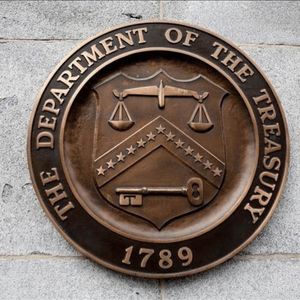
Iran has spent more than a month under Washington’s new “Economic Fury” sanctions drive, and the country has still not given the Trump administration what it wants. The campaign began on April 16 with a promise to use the “full range of available tools and authorities” against Tehran’s economy. That sounds big, but the early actions look very close to the old Maximum Pressure plan from Donald Trump’s first term. The United States has issued 2,000 economic sanctions against Iran in just eight years, including the pulling out of the nuclear agreement by Trump in 2018, when Obama was instrumental in making the agreement. The recent economic sanctions followed the establishment of a ceasefire between Washington and Tehran concerning the end of the US military operation codenamed “Epic Fury,” where Treasury Secretary Scott Bessent urged other US allies to get involved in the economic war on Iran by cutting their financial lifeline outside of Iran. However, the Iranians have been preparing themselves for this eventuality over the years, so this sanction does not amount to anything new. Treasury targets Iran’s currency dealers and 19 oil-linked ships A major Iranian foreign exchange house, along with some related fronts, has been hit with sanctions by the U.S. Treasury Department’s Office of Foreign Assets Control. According to U.S. officials, the exchange house was involved in managing hundreds of millions of dollars worth of transactions on behalf of sanctioned Iranian banks. The foreign exchange houses play a critical role in facilitating trade involving foreign currencies for Iran, which is unable to use its conventional banking channels due to sanctions. Iranian foreign exchange houses transfer billions of dollars annually. The funds originate from oil sales, petrochemicals export, and financial networks. According to U.S. officials, these networks have helped Tehran to get access to international financial networks despite warnings issued against the same to banks and companies. Moreover, OFAC imposed sanctions on 19 vessels responsible for transporting Iranian oil and petrochemicals shipments. As per U.S. allegations, these shipments transferred products to international markets and made billions of dollars worth of profit for Iran. This money can be used for making weapons, funding terror organizations, and private enrichment in other countries. Scott said , “Iran’s shadow banking system facilitates the illicit transfer of funding for terrorist purposes.” He also said banks must watch how Tehran uses the global financial system. The new action sits under Executive Order 13902, which covers people and businesses operating in Iran’s financial, petroleum, and petrochemical sectors. Treasury said the designations add to earlier sanctions on exchange houses, Iranian bank rahbar companies, crypto exchanges, and other groups accused of helping Tehran dodge restrictions. Washington warns banks, airlines, and Chinese refiners over Iran trade According to the Treasury, Economic Fury has affected many billions of dollars worth of oil payments that would have gone to Iran. Further, the department reported that U.S. measures have also led to the freezing of almost half a billion dollars’ worth of cryptocurrency that was associated with the Iranian government . Crypto users need to know about this, as it means that Washington now considers the digital assets network to be an integral part of its sanctions program. The department announced that it is going to focus on sanction evasion and digital asset transactions together. Therefore, anyone from brokers, shipping companies, banks, crypto exchanges, or shell companies can find themselves being pursued by the U.S. for helping Iran make payments. Further, Washington has threatened foreign companies with punishment if they participate in doing business with Iran. These could include airlines, commodities, and finance companies. Treasury warned that secondary sanctions could hit foreign banks that help Iran, including those linked to China’s independent “teapot” oil refineries. No publicly listed companies were named in the provided U.S. action, so there are no direct stock tickers to attach without adding outside names that were not in the material. The Trump administration said it is targeting Iran’s main revenue stream, meaning oil and other commodity sales. Any person or vessel that helps with hidden oil trades, secret payment routes, or covert commodity shipments can face U.S. sanctions. Treasury also sanctioned networks accused of supplying weapons and military parts to Iran. It added penalties against an Iraqi official accused of helping sell oil with Iran-backed militias in Iraq. The State Department’s Rewards for Justice program is offering up to $15 million for information that helps disrupt the financial systems of the Islamic Revolutionary Guard Corps and its branches. The smartest crypto minds already read our newsletter. Want in? Join them .