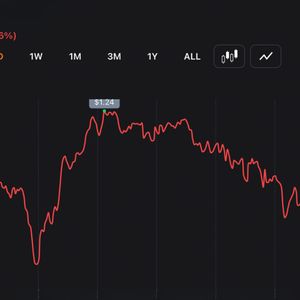
Summary On June 1, Strategy sold bitcoin for the first time in four years, shattering the "never sell" creed; bitcoin dropped on the news, breaking below $70K and falling more than 9% over 7 days. In the short run, the sale might pressure prices and dent confidence. Bitcoin fell below $70K on June 2, and the CMC Crypto Fear and Greed Index dropped to 29, its lowest in nearly two months. As of now, Saylor himself has stayed silent on why the company suddenly sold these 32 coins last week. That's out of character. "Never sell" was always a myth. No company carrying debt, fixed costs, and shareholder expectations can truly exclude selling from its options; everyone knew this day would arrive, and now it has. On June 1, Strategy ( MSTR ) sold bitcoin ( BTC-USD ) for the first time in four years, shattering the "never sell" creed; bitcoin dropped on the news, breaking below $70K and falling more than 9% over 7 days. Source: @BITofficial_CN What broke is a promise, not a policy. For years, Michael Saylor preached "never sell," making him the chief evangelist of that conviction. That's why the size barely matters. So even at 32 coins, what matters is that the line moved from never to once. Zero versus non-zero is a difference in kind, not degree. The impact is long term, not the price In the short run, the sale might pressure prices and dent confidence. Bitcoin fell below $70K on June 2, and the CMC Crypto Fear and Greed Index dropped to 29, its lowest in nearly two months. But the weakness runs deeper than Strategy. Spot bitcoin ETFs have bled over $4 billion since May 7, and stablecoin growth has stalled, thinning the dry powder available to buy. Strategy's sale is just the most visible trigger, not the cause. The real impact is longer term, and it sits in two places. First, erosion of consensus. Saylor didn't just hold; he urged everyone else to hold. When the most committed preacher opens the door himself, the pricing anchor degrades from a fixed value into a variable that must be continually guessed. Bad news gets absorbed; uncertainty quietly bleeds out the valuation premium, and uncertainty is what markets hate most. Second, the demonstration effect. Strategy is the world's largest DAT company. Once the leader puts "sell" on the table, smaller and more thinly funded treasury peers selling under liquidity stress starts to look normal. It doesn't mean these companies can't sell. It means the ceiling on potential selling across the whole sector just rose, and future sales become impossible to predict, in both frequency and scale. A trial run, or a strategy shift made concrete? As of now, Saylor himself has stayed silent on why the company suddenly sold these 32 coins last week. That's out of character. Every purchase has typically been announced loudly and promptly on social media; this time, facing a directional shift, he said nothing. As the comparison shows, this sale is far smaller than the purely tax-driven 2022 move, and the equity issued in the same filing dwarfs the proceeds, confirming that stock and debt remain the primary funding channels and that selling bitcoin is a marginal supplement. On its own, this looks like a trial run. The danger is exactly there. On the early May Q1 call, Phong Le and Saylor stated plainly that they would sell when it is accretive to bitcoin-per-share, formally retiring the absolute "never sell" posture. Set the sale beside that statement, and the 32 coins stop being an isolated event; they become the moment a "sell when useful" framework went live. The boiling-frog risk is that every single step looks trivial while the water temperature has already changed. What actually shifted is the foundational assumption of the company's strategy. Why the shift: a hidden cash flow mismatch What contradicts this sale is that Strategy bought at a record pace in Q1. Buying heavily with one hand while selling with the other, so why? Strategy's model is a structural mismatch. It funds the accumulation of an asset that yields nothing and swings violently using equity and debt that carry rigid, recurring obligations, with interest and preferred dividends coming due regardless of price. In a bull market, high share prices make issuance effortless, and the mismatch stays invisible. If prices stay weak and the equity window narrows, the company may be forced to monetize the asset side to plug the gap. This dividend-funding sale is the first sign of that strain. The amount is small, but the direction is clear: when refinancing gets harder, selling slides from "option" toward "necessity." This small sale may instead be a deliberate signal, running the selling mechanism once so the market digests it before any larger move, avoiding a stampede later. After all, the one thing they fear most is a falling bitcoin price. The "never sell" iron law is dead because priorities have been reordered. Within Strategy's financial architecture, the success and expansion of the STRC preferred-stock vehicle now matter more. Bitcoin is still the faith; it is simply no longer the one line that cannot be crossed. The reality behind the myth "Never sell" was always a myth. No company carrying debt, fixed costs, and shareholder expectations can truly exclude selling from its options; everyone knew this day would arrive, and now it has. There's no need to panic over small, scattered, short-term asset sales by DAT companies. Even buying of the opposite magnitude has had a shrinking effect on the market, and more DAT selling will come in the future. It's how these companies stay healthier, last longer, and become more sustainable. The real signal to watch is whether future 8-Ks show larger sales and whether other treasury companies follow. That, not these 32 coins, is the line between a trial run and a trend. Disclaimer: The information provided herein does not constitute investment advice, financial advice, trading advice, or any other sort of advice, and should not be treated as such. All content set out above is for informational purposes only. Original Post Editor's Note: The summary bullets for this article were chosen by Seeking Alpha editors.