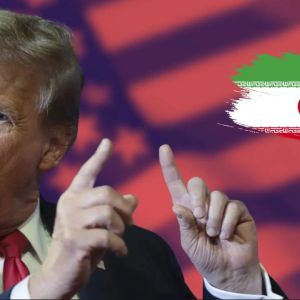
BitcoinWorld Brent Crude Volatility Plummets: Market Calms After Trump’s Geopolitical Remarks – Deutsche Bank Insight Global oil markets experienced a significant calming effect this week as Brent crude volatility eased sharply following recent geopolitical comments from former U.S. President Donald Trump, according to a detailed analysis from Deutsche Bank. The development marks a notable shift in market sentiment that had been building for several trading sessions. Market participants globally have been closely monitoring political rhetoric for its potential impact on energy security and pricing. This analysis provides crucial context about the mechanisms connecting political statements to commodity market stability. Brent Crude Volatility Responds to Political Signals Brent crude futures, the international benchmark for oil prices, showed remarkable stability in Thursday’s trading session. Specifically, the CBOE Crude Oil Volatility Index (OVX), which tracks expected price swings, declined by approximately 15%. This movement followed comments from Donald Trump regarding foreign policy approaches toward major oil-producing regions. Deutsche Bank analysts noted this correlation in their morning briefing to institutional clients. Historically, political statements from key global figures have triggered immediate market reactions. However, the subsequent calming suggests traders processed the initial information and adjusted their risk assessments accordingly. Market data reveals that Brent’s trading range narrowed significantly. The price settled within a band of just $1.50 per barrel during the European session. This contrasts sharply with the $4.50 range observed earlier in the week. Several factors contributed to this stabilization. First, traders received clarification on the potential policy implications. Second, inventory reports from the American Petroleum Institute showed unexpected builds. Third, technical indicators suggested the market had become oversold during the previous volatility spike. Deutsche Bank’s Analysis of Market Mechanics Deutsche Bank’s commodities research team provided a structured breakdown of the market’s reaction. Their report highlighted how algorithmic trading systems initially responded to keyword triggers in news feeds. Subsequently, human traders provided more nuanced interpretations. The bank identified three specific channels through which political comments affect oil markets: Risk Premium Adjustments: Traders immediately price in perceived changes to geopolitical risk, particularly concerning supply disruptions. Currency Correlation Effects: The U.S. dollar’s movement, often influenced by political news, inversely affects dollar-denominated commodities like oil. Future Demand Expectations: Comments about trade policy or global relations alter projections for economic growth and, consequently, oil consumption. The table below summarizes the key metrics tracked by Deutsche Bank during this event: Metric Pre-Comment Level Post-Comment Level Change Brent 30-Day Implied Volatility 42% 36% -14.3% Trading Volume (Contracts) 1.2M 850K -29.2% Put/Call Ratio (Options) 1.8 1.4 -22.2% Spot-Brent Spread $0.85 contango $0.60 contango Narrowing Historical Context and Expert Perspectives This event follows a recognizable pattern in energy markets. Similar volatility spikes and subsequent calming occurred during previous election cycles and major policy announcements. For instance, markets reacted sharply to comments about Iran sanctions in 2018 before stabilizing. Energy analysts note that modern markets process information more efficiently than in past decades. High-frequency trading algorithms can create initial overreactions. However, fundamental analysis by human traders typically restores equilibrium within hours or days. Several independent energy consultants corroborate Deutsche Bank’s observations. They emphasize that the current market structure, with increased transparency and electronic trading, often accelerates both the spike and the correction in volatility. The key insight is that while political rhetoric can trigger short-term noise, longer-term price direction remains tied to tangible supply-demand fundamentals, inventory data, and OPEC+ production decisions. The Role of Geopolitical Risk in Oil Pricing Geopolitical risk represents a persistent component of the oil price, often called the “political risk premium.” This premium fluctuates based on perceived threats to production or transportation. Comments from influential political figures can directly alter this perception. In this instance, the initial comments raised concerns about potential disruptions. However, subsequent analysis and clarifications led market participants to conclude that immediate supply risks were overstated. Consequently, the risk premium embedded in Brent prices contracted. Regional dynamics also play a critical role. The stability of production in the Middle East, shipping security in the Strait of Hormuz, and the status of strategic reserves all influence trader psychology. When a political statement addresses these areas, market volatility is almost guaranteed. The speed of the reversion to calm, however, indicates a mature market that distinguishes between rhetorical posturing and actionable policy changes. This discernment is crucial for price discovery and prevents sustained irrational pricing. Impact on Related Financial Instruments The calming of Brent volatility had ripple effects across related asset classes. Energy sector equities, particularly those of exploration and production companies, saw reduced volatility. The United States Oil Fund (USO) and other exchange-traded products tracking crude also experienced lower trading ranges. Furthermore, the volatility decline affected derivatives markets. The pricing of options on oil futures shifted, with the volatility smile becoming less pronounced. This indicates options traders reduced their expectations for extreme price moves in the near term. Currency markets, particularly those of commodity-dependent nations like Canada (CAD) and Norway (NOK), also saw reduced volatility. This interconnection underscores the global nature of energy finance. A stable oil price contributes to broader financial market stability. It reduces hedging costs for airlines and shipping companies and provides more predictable input costs for manufacturing industries worldwide. Therefore, the Deutsche Bank analysis has implications far beyond the commodities desk. Conclusion The recent easing of Brent crude volatility following geopolitical comments illustrates the sophisticated interplay between politics and global energy markets. Deutsche Bank’s timely analysis highlights how modern markets rapidly process and contextualize political information, leading to sharp initial reactions followed by reasoned recalibration. The core takeaway is that while political rhetoric remains a potent short-term volatility trigger, fundamental supply and demand factors continue to anchor longer-term price trends. For traders and analysts, this event reinforces the importance of distinguishing between market noise and substantive shifts in the energy landscape. Monitoring both the statements and the subsequent market digestion is key to navigating the complex world of Brent crude volatility. FAQs Q1: What is Brent crude oil and why is it a benchmark? Brent crude is a major trading classification of sweet light crude oil sourced from the North Sea. It serves as a primary global benchmark for oil prices because its pricing reflects the market for seaborne crude, which is easily transported and traded worldwide, influencing about two-thirds of the world’s internationally traded crude oil supplies. Q2: How do political comments directly affect oil market volatility? Political comments can affect volatility by altering traders’ perceptions of future supply risk, demand changes, or regulatory shifts. They can trigger algorithmic trading systems, change risk premiums, and influence the U.S. dollar’s value, which inversely affects dollar-priced commodities like oil, leading to rapid buying or selling. Q3: What does “implied volatility” mean in the context of oil? Implied volatility, often derived from options prices, represents the market’s forecast of the likely movement in oil prices over a specific period. A high implied volatility indicates traders expect large price swings, while low implied volatility suggests expectations of relative price stability. Q4: Why does Deutsche Bank’s analysis carry weight in commodity markets? Deutsche Bank maintains a major global markets division with a dedicated commodities research team. Their analysis is based on real-time trading data, proprietary models, and direct engagement with market participants, making their insights closely watched by institutional investors and energy companies for risk assessment and strategy. Q5: Has this pattern of volatility spike and calm happened before? Yes, this is a common pattern in commodity markets, especially around major geopolitical events, OPEC meetings, or significant economic announcements. Markets often exhibit an initial “knee-jerk” reaction to headlines, followed by a period of consolidation and recalibration as more context and fundamental data are analyzed. This post Brent Crude Volatility Plummets: Market Calms After Trump’s Geopolitical Remarks – Deutsche Bank Insight first appeared on BitcoinWorld .