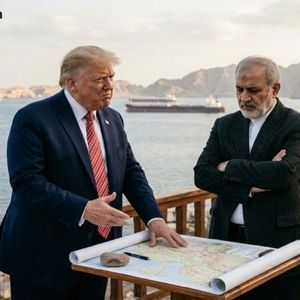
Crude oil prices are tumbling sharply as of Wednesday, with Brent crude falling more than 8% to below $101 per barrel while WTI crude dropped over 9% to under $93. The steep decline extends losses from the previous session and reflects a sudden shift in market sentiment. Peace Deal Momentum Sends Oil Lower The latest sell-off follows reports that the United States and Iran are moving closer to a potential agreement. US officials, cited by Axios, signaled that a preliminary framework could emerge soon, paving the way for broader nuclear negotiations. This development has quickly changed the tone in energy markets. Why are prices reacting so strongly? Because easing geopolitical risk directly reduces fears of supply disruption. Traders who had priced in prolonged conflict are now unwinding those positions. President Donald Trump reinforced that shift by announcing a temporary pause in “Project Freedom,” the US operation designed to escort ships through the Strait of Hormuz. He stated that the pause would allow time to finalize a possible agreement, though the broader blockade on Iranian ports remains in place. Strait Of Hormuz Situation Still Fragile Even with signs of progress, the situation in the Strait of Hormuz remains complex. The key shipping route continues to face heavy disruption, leaving thousands of vessels stranded. US officials estimate that more than 23,000 seafarers from dozens of countries remain stuck in the Persian Gulf. Ship-tracking data also shows limited movement in the region, confirming that normal operations have not yet resumed. So, does this mean supply risks have fully disappeared? Not yet. While negotiations are advancing, logistical bottlenecks persist. Reopening the strait and restoring shipping flows will take time, even if a deal is reached. At the same time, Iranian state media has framed the US pause as a strategic retreat. Meanwhile, US officials maintain that the offensive phase of the conflict has ended, though Iran has not formally responded to that claim. Policy Signals Add To Market Volatility Trump’s latest remarks have added another layer of uncertainty. He indicated that a deal could bring a full reopening of the Strait of Hormuz, allowing unrestricted passage for global shipping. However, he also warned that military action could intensify if negotiations fail. That dual message has created a volatile backdrop, where markets react quickly to each new headline. The administration also confirmed that tens of thousands of mariners remain stranded despite the pause in escort operations. This highlights the gap between diplomatic progress and real-world recovery in supply chains. Demand Concerns Begin To Surface Beyond geopolitics, falling oil prices also reflect concerns about demand. Elevated energy costs in recent weeks have already started to weigh on consumption across major economies. Even if tensions ease, the recovery in global trade flows will not happen overnight. Shipping delays, higher insurance costs, and disrupted supply chains continue to impact energy distribution. As a result, the market is now balancing two forces. On one side, easing conflict reduces supply risk. On the other hand, recent price spikes have already weakened demand momentum. This combination explains the sharp correction in crude prices. Traders are recalibrating expectations, shifting focus from worst-case scenarios toward a more normalized outlook. Oil markets now face a critical phase. If negotiations progress, prices may stabilize at lower levels. If talks collapse, volatility could return just as quickly.