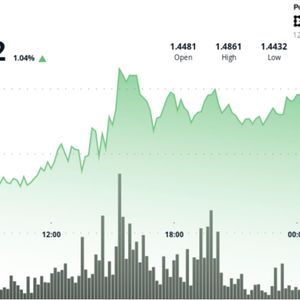
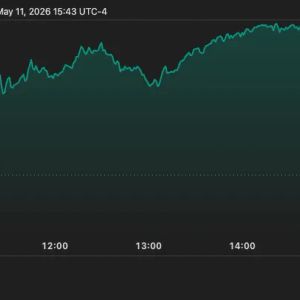
BitcoinWorld Canadian Dollar Under Pressure as Safe-Haven Demand Persists The Canadian dollar continues to face headwinds as persistent safe-haven demand for the US dollar weighs on the loonie. Despite recent fluctuations in commodity prices and domestic economic data, the broader market sentiment remains tilted toward risk aversion, keeping the USD/CAD pair elevated. Why Safe-Haven Demand Is Hurting the Loonie Global uncertainty—driven by ongoing geopolitical tensions, trade policy shifts, and mixed signals from major central banks—has reinforced the US dollar’s status as the preferred safe-haven currency. Investors seeking stability have continued to move capital into dollar-denominated assets, creating sustained downward pressure on currencies like the Canadian dollar. Canada’s economy, closely tied to commodity exports and US trade relations, is particularly sensitive to shifts in global risk appetite. When uncertainty rises, the loonie typically underperforms, as it is considered a risk-sensitive currency. The current environment, marked by cautious central bank guidance and unresolved trade disputes, has kept the safe-haven bid firmly in place. Key Factors Weighing on the Canadian Dollar Several interrelated factors are contributing to the loonie’s struggles: Interest rate differentials: The Federal Reserve has maintained a relatively hawkish stance compared to the Bank of Canada, widening the rate gap in favor of the US dollar. Commodity price volatility: While oil prices have shown some resilience, uncertainty around global demand and supply disruptions has limited the positive impact on Canada’s export revenues. Trade policy uncertainty: Ongoing negotiations and disputes between the US and Canada, particularly around lumber and dairy, add an extra layer of risk for the Canadian economy. Global growth concerns: Slowing growth in China and Europe has dampened demand for risk assets, further supporting the US dollar. What This Means for Businesses and Consumers A weaker Canadian dollar has direct implications for cross-border trade, import costs, and travel. Canadian businesses that rely on imported goods face higher input costs, which can squeeze margins and potentially lead to higher consumer prices. On the positive side, exporters—especially those selling to the US—benefit from more competitive pricing. For individuals, a lower loonie makes US travel and online purchases from American retailers more expensive. Outlook: When Could the Pressure Ease? Analysts suggest that a sustained reversal in the Canadian dollar’s fortunes would likely require a shift in global risk sentiment—such as a resolution to major trade disputes or a clearer easing path from the Federal Reserve. Until then, the safe-haven bid for the US dollar is expected to remain a dominant theme in currency markets. The Bank of Canada’s next policy decision will be closely watched for any signals that could alter the rate differential dynamic. Markets currently price in a cautious approach from the BoC, which offers little immediate support for the loonie. Conclusion The Canadian dollar remains under pressure as safe-haven demand for the US dollar persists amid global uncertainty. While the loonie’s fate is tied to multiple factors—commodity prices, interest rate spreads, and trade policy—the overriding theme is risk aversion. Until the global outlook becomes clearer, the USD/CAD pair is likely to remain elevated, with the loonie struggling to find a foothold. FAQs Q1: Why does safe-haven demand affect the Canadian dollar? Safe-haven demand refers to investors moving capital into currencies perceived as stable during uncertainty. The US dollar is the primary safe-haven currency, so when risk aversion rises, the USD strengthens against risk-sensitive currencies like the Canadian dollar. Q2: What is the current USD/CAD exchange rate trend? As of this reporting, the USD/CAD pair has been trading near the higher end of its recent range, reflecting persistent US dollar strength. Exact rates fluctuate throughout the trading day based on economic data releases and market sentiment. Q3: How does a weaker Canadian dollar affect the economy? A weaker loonie makes Canadian exports cheaper and more competitive abroad, benefiting exporters. However, it also raises the cost of imports, which can fuel inflation and increase costs for businesses and consumers who rely on foreign goods. This post Canadian Dollar Under Pressure as Safe-Haven Demand Persists first appeared on BitcoinWorld .